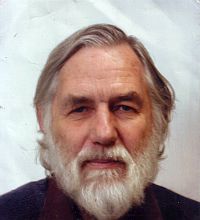
This obituary, prepared by David Dent for the Tropical Agricultural Association International, is published here with their consent.
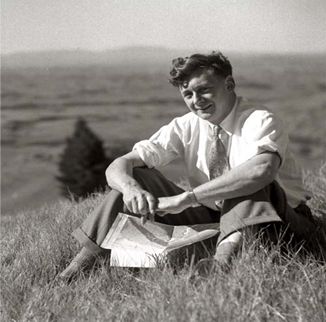
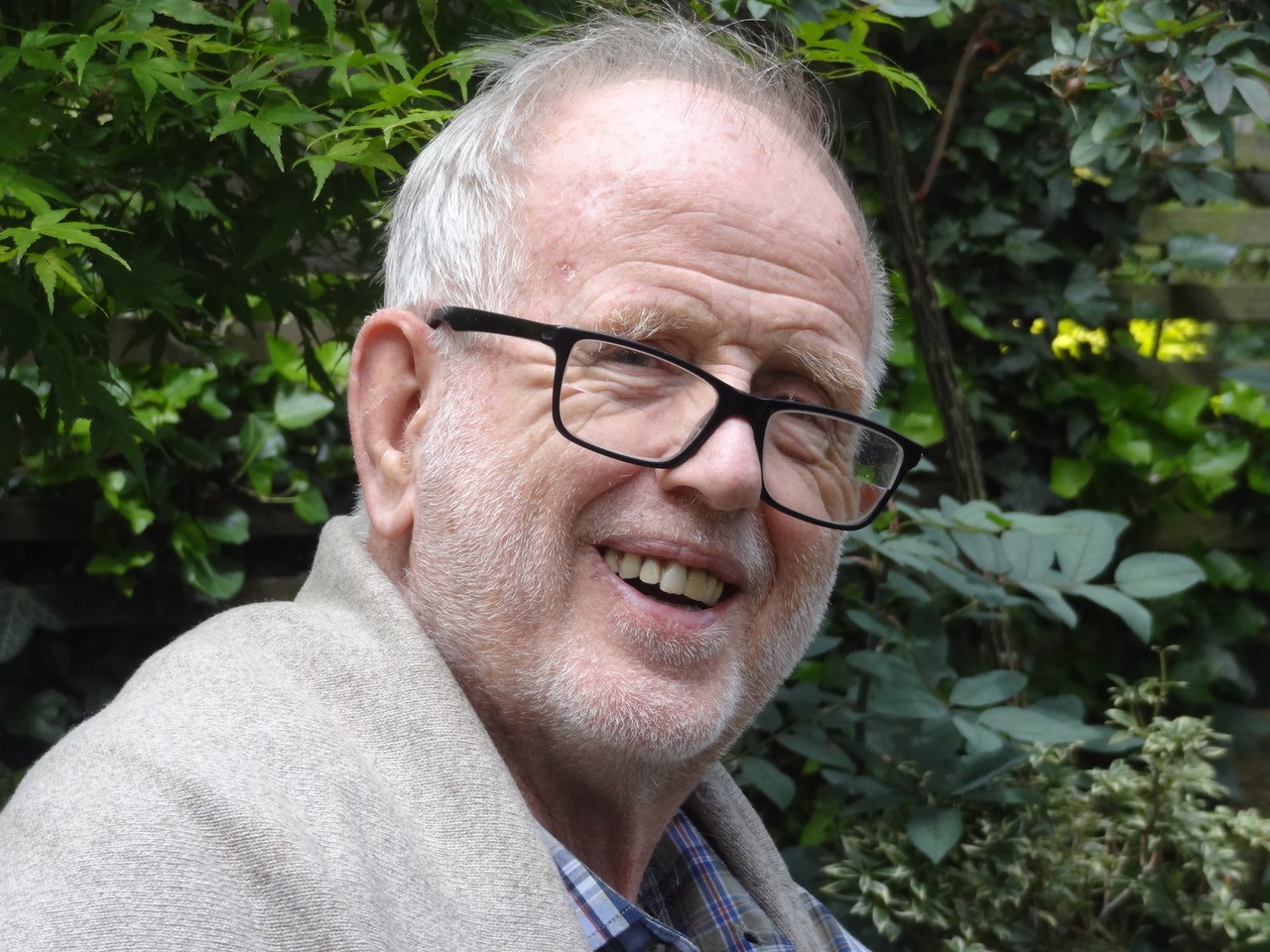
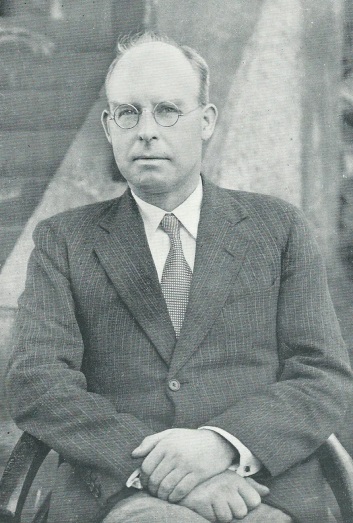
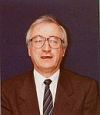
Professor Anthony (Tony) Young, a long-time member of TAAI, who has died aged 93, was one of the most influential soil scientists of his generation. Through his pioneering work on land evaluation, soil survey methods and tropical land management - and not least as a teacher - he shaped how scientists and policymakers across the world understand, assess, and care for the land.
He was the only child of Sidney Michael Young (born 1900), a lawyer who became Assistant Solicitor General in the Inland Revenue, and Joan Berrett Lack (born 1899), a gifted professional accompanist who broadcast on the BBC. Tony attended St Christopher School in Letchworth, where he paid special attention to his Geography master, Oscar Backhouse. Like many of his generation, he was educated to run an empire and, after National Service, read Geography at St John’s College, Cambridge. Much more importantly, on a survey field course in the summer of 1953, he met Doreen Rolfe. In his own words: “the start of a lifetime of bliss” but Tony regretted that he was unable to match L Dudley Stamp’s dedication to his wife after his years in Burma: “For bullock-cart days and Irrawaddy nights”.
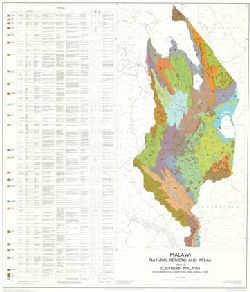
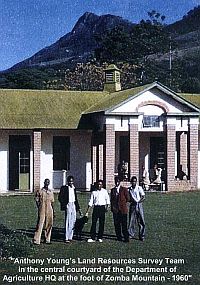
Tony’s scientific foundations were underpinned at Sheffield University (1954 -1958). Serving as a Research Demonstrator, he completed a PhD in geomorphology with exhaustive field research that involved surveying slope profiles and digging and describing soil pits. In short, he learned to read the landscape. He distilled this research in his first academic book Slopes in 1972 but, before that and: “the foundation for the rest of my career”, he secured a post as a Soil Surveyor in the Colonial Service in Nyasaland (Malawi) (1958-1962). Tall and athletic, he was almost immediately drafted into the police service during the Nyasaland emergency which was not unconnected with agricultural practice, soil erosion and colonial ways of dealing with it. When calm was restored, he and agronomist Peter Brown co-authored Agro-Ecological Survey, pioneering a method to link soil types with crop performance and fertiliser recommendations.
Returning to academia, Tony joined the University of Sussex (1963-8), developing an option in Soil Survey and Land Evaluation, and then he joined the ground-breaking School of Environmental Sciences at the University of East Anglia (UEA) in Norwich (1968-82). Paul Harding (a student of Tony’s at UEA and now Chair of the Tropical Agriculture Association International) remembers the opening line of Tony’s course on Tropical Soils: “All tropical soils are red – except when they are brown, yellow, black or white”. Tony became a prominent figure in the field of land evaluation, co-authoring the influential FAO handbook, A Framework for Land Evaluation (1976), with Robert Brinkman and Soil Survey and Land Evaluation (1981) with David Dent.
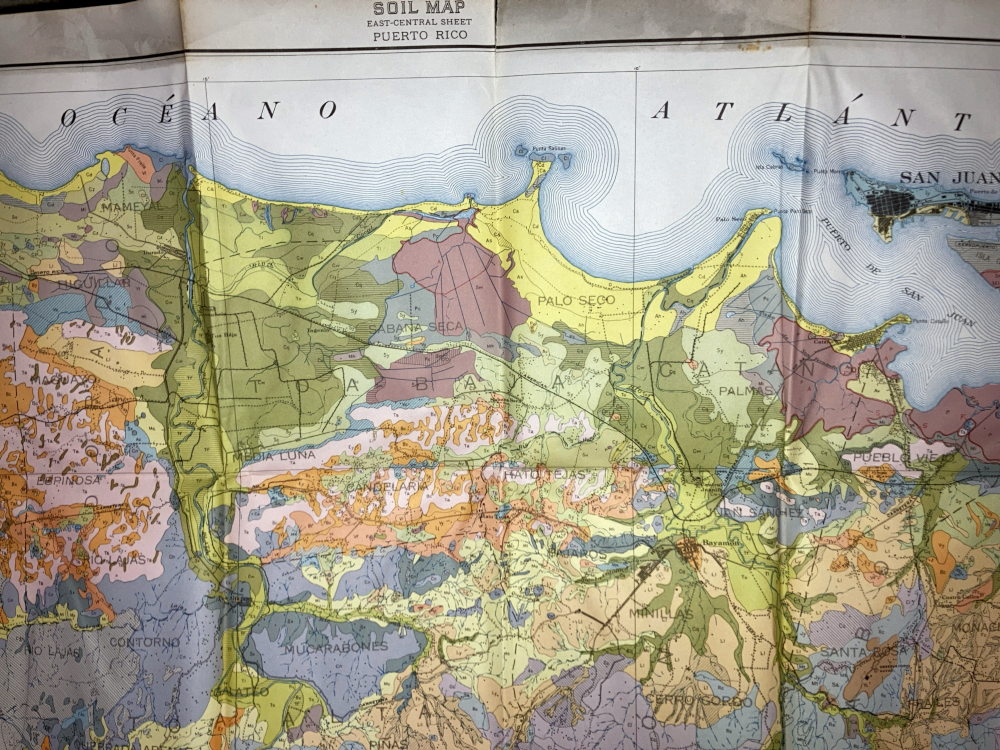
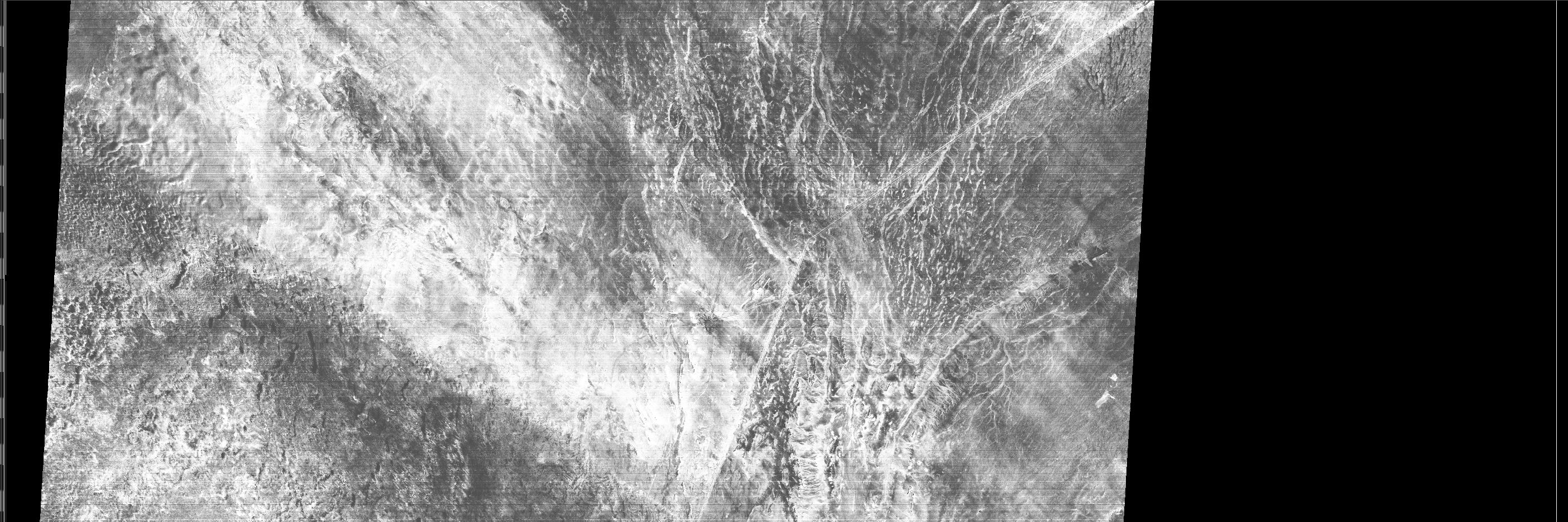
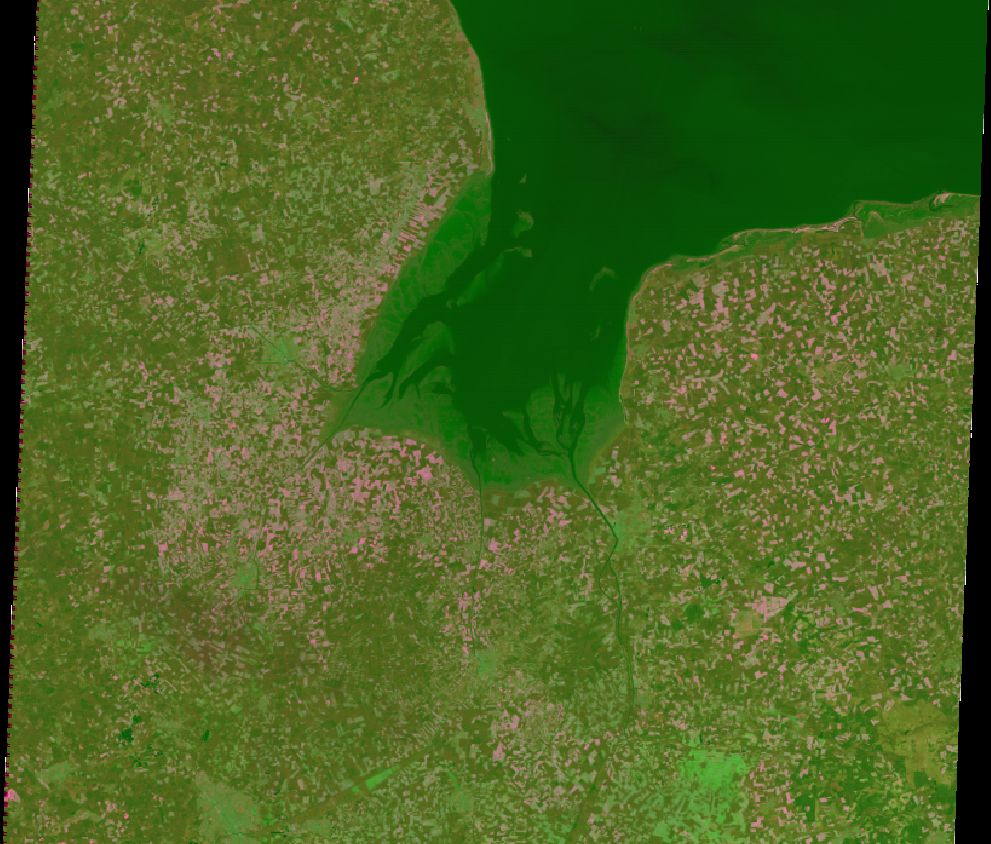
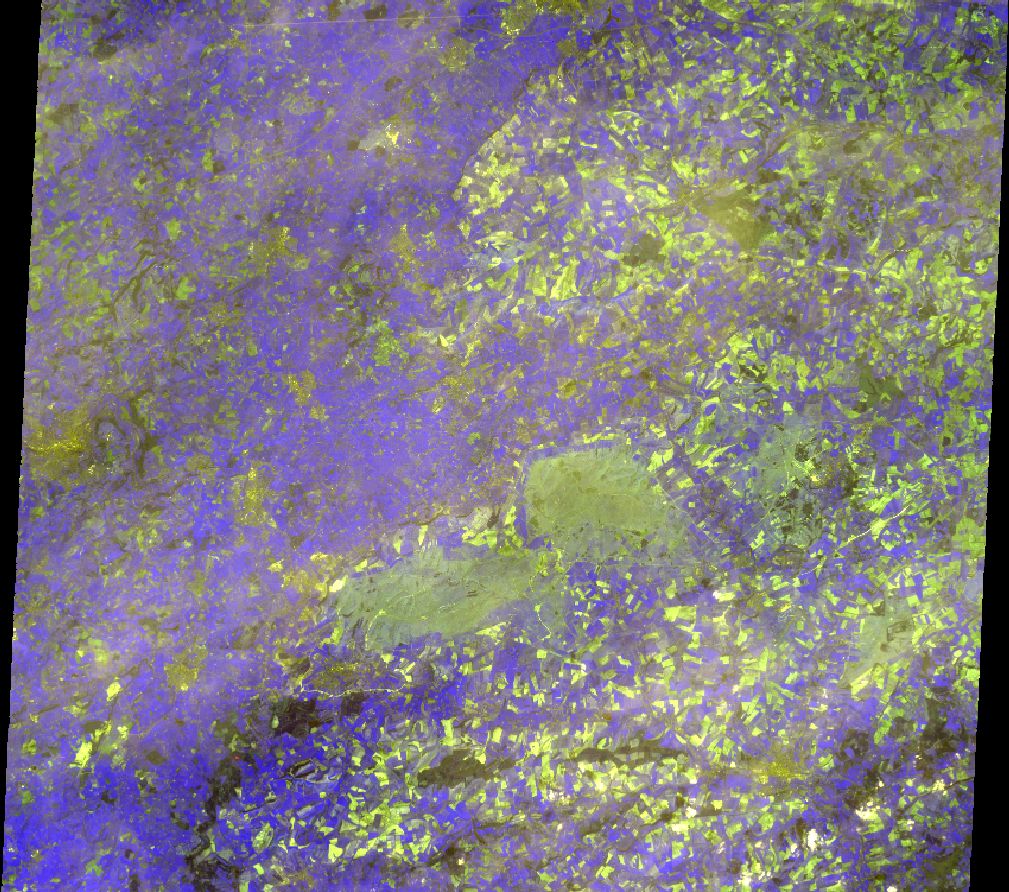
Soil survey for agricultural, or any other kind of development, faced three problems. The first was too many acres and too few surveyors. Both Tony and I were independently engaged by UN organisations, Hunting Technical Services and the great civil engineering companies at the leading edge of development so, when we teamed up at UEA, we set out to train a new generation with a postgraduate course that attracted students from all over the world, supported by the newly developing technologies of photogrammetry and air photo interpretation that lifted our viewpoint from six feet above the ground to the perspective of an eagle and, with infrared-sensitive cameras, even keener sight; then the wonders of repeating imagery from earth-observation satellites, digital elevation models and digital soil survey.
The second and much more difficult problem was to carry soil information into planning, policy, and action on the ground. In those days, we all believed in planning. Tony’s expositions were always lucid, very well-informed (as well as being a keen observer, he knew the literature and could draw on unrivalled tropical travels) and delivered with gentle humour. The work seemed to come easily to him but he was very competitive, not just on the tennis court, which ruffled a few feathers, and he hankered after a top job on the front line of development while he still had the energy and physique. So, in 1983, he joined the nascent International Centre for Research in Agroforestry (ICRAF) in Kenya, serving till 1991. He did for ICRAF what he did best. He wrote. And he was able to broaden the concept of agroforestry to encompass maintaining soil fertility and livelihoods, resulting in his acclaimed book, Agroforestry for Soil Conservation (1989).
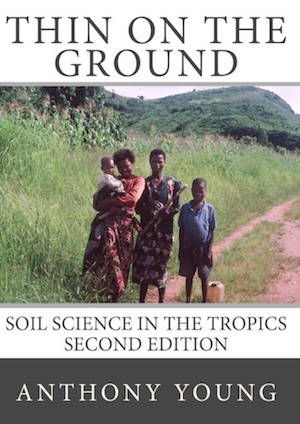
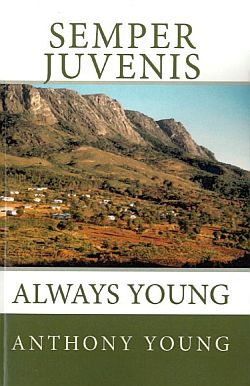
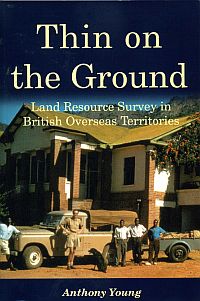
In the event, he need not have worried about his capacity or his posterity. Returning home to Norwich, he wrote the books that no one else could. Continuing collaboration with Robert Brinkman, by then Chief of FAO soils, we anonymously compiled FAO’s Guidelines for Land Use Planning (1993) and Tony went on to write Thin on the Ground (2007, 2017). The title from a line in a student’s essay decades earlier: “in parts of Africa, soil surveyors are spread thinly on the ground.” Having narrowly escaped just such a fate on more than one occasion, it seemed a fitting tribute to that generation of hardy individuals who faced too many acres and wrote too little. His autobiographic Semper Juvenis (2016) is entertaining and insightful. In all, he wrote 18 books and over 150 refereed journal papers, every line beautifully written and well worth reading.
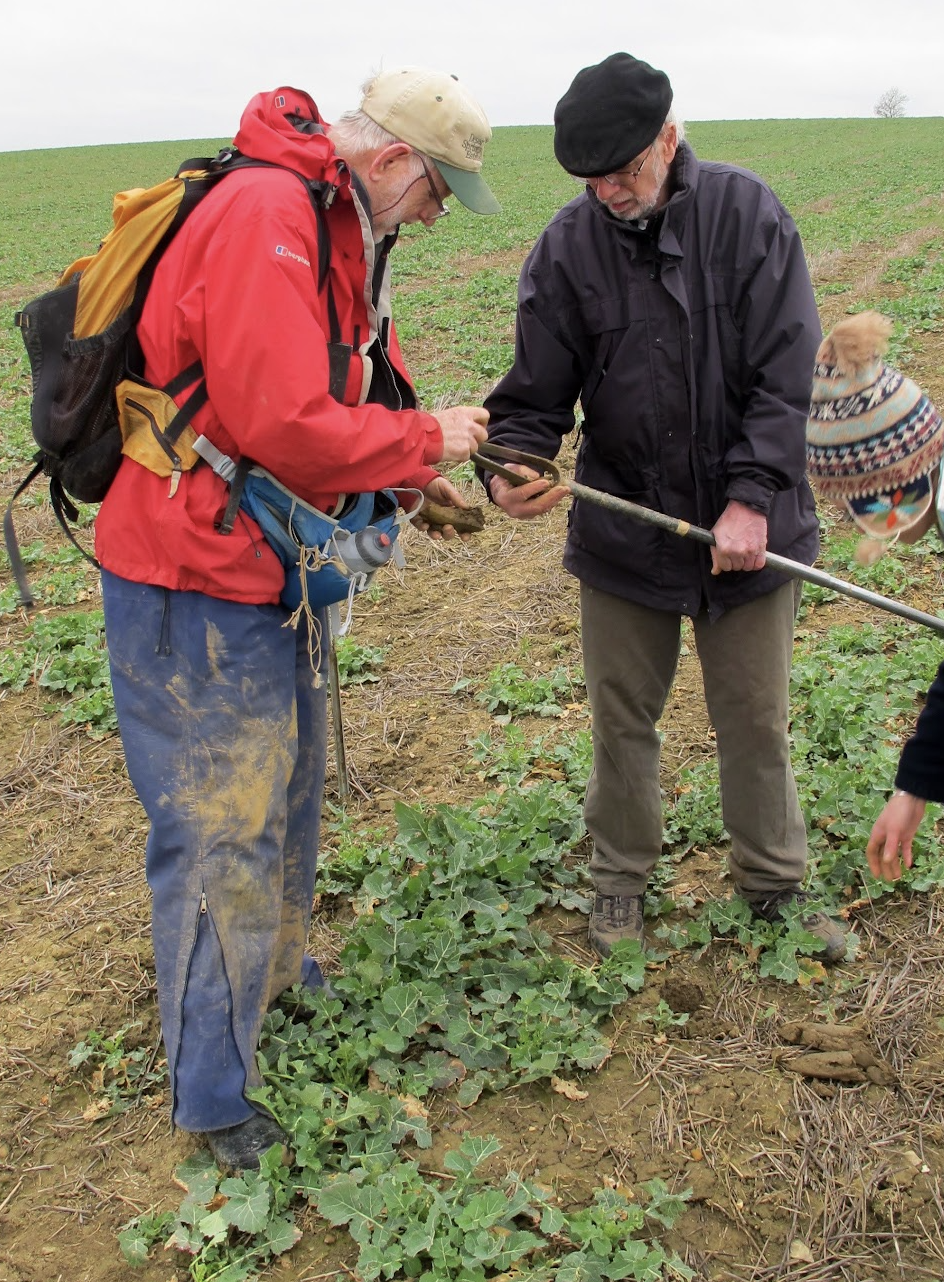
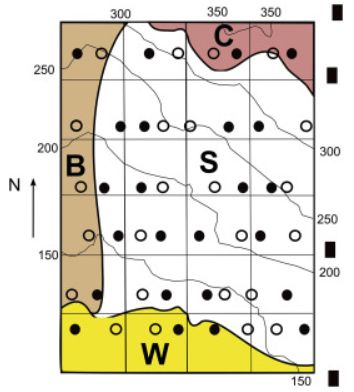
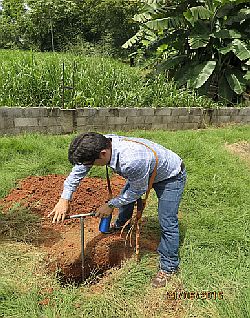
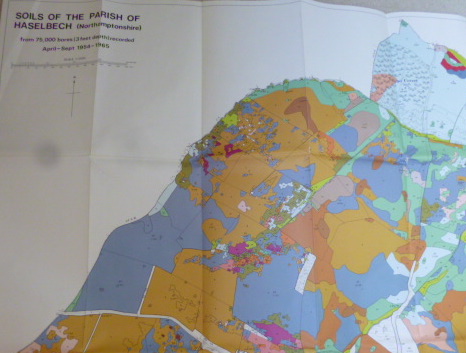
Digging holes is hard work and a soil surveyor does not dig to ascertain the kind of soil but to confirm his or her model of what the soil will be. That model is built up observation by observation, tested mercilessly, but until recently, held only in the head of the surveyor. Soil surveyors drew the paper maps that they were contracted to make but never wrote down their landscape models, so the maps could never be reproduced or updated. That was the third problem of soil survey: now rectified and supported by computing power and machine learning that was unavailable to Tony Young’s generation; and bearing fruit in SoilGrids and a phalanx of digital doppelgangers for policy development and management.
He is survived by his wife, Doreen, and their family.
David Dent, 8 November 2025
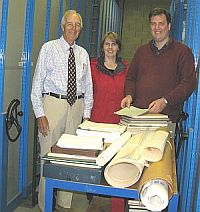
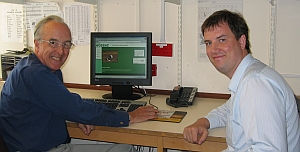
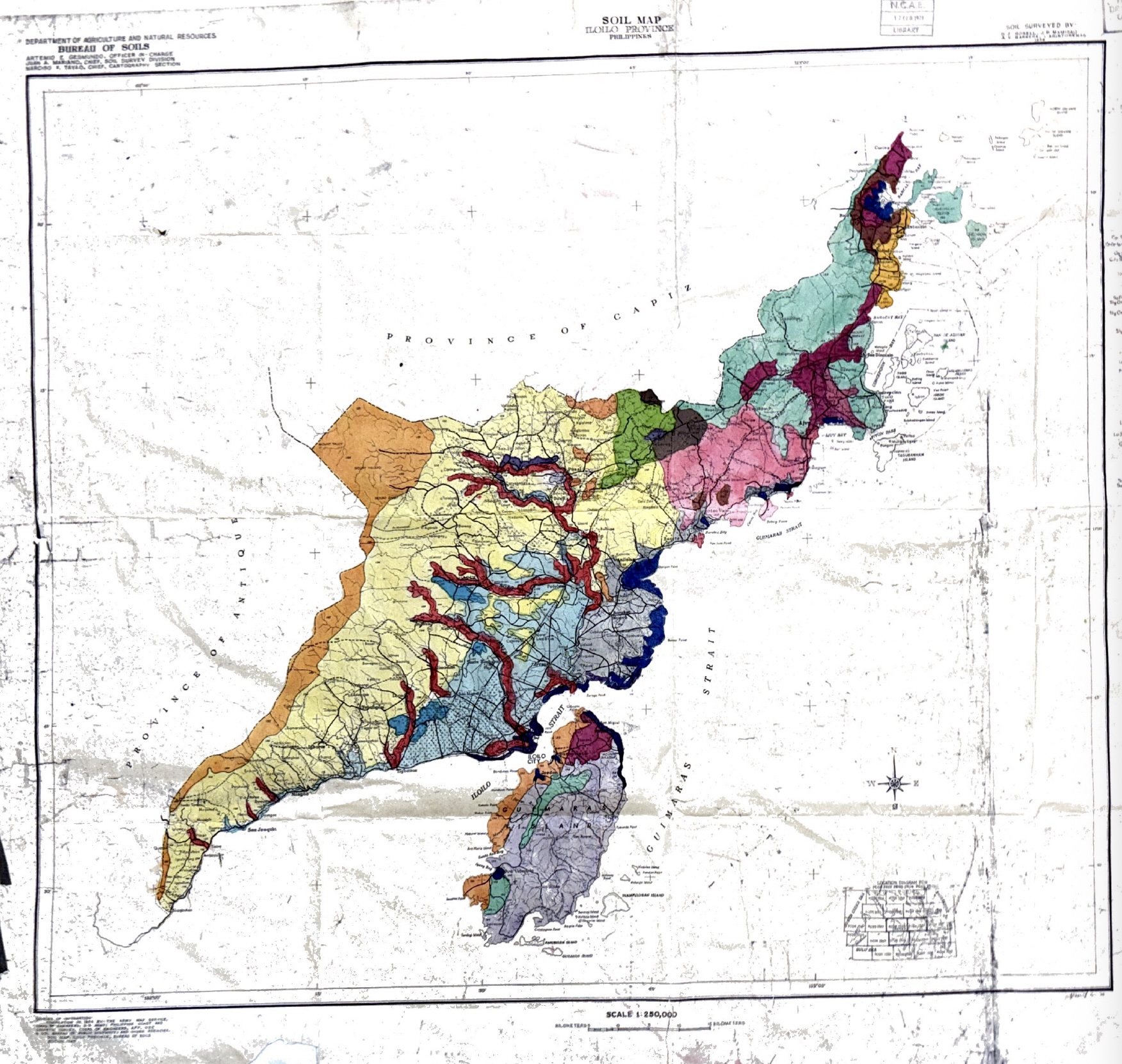
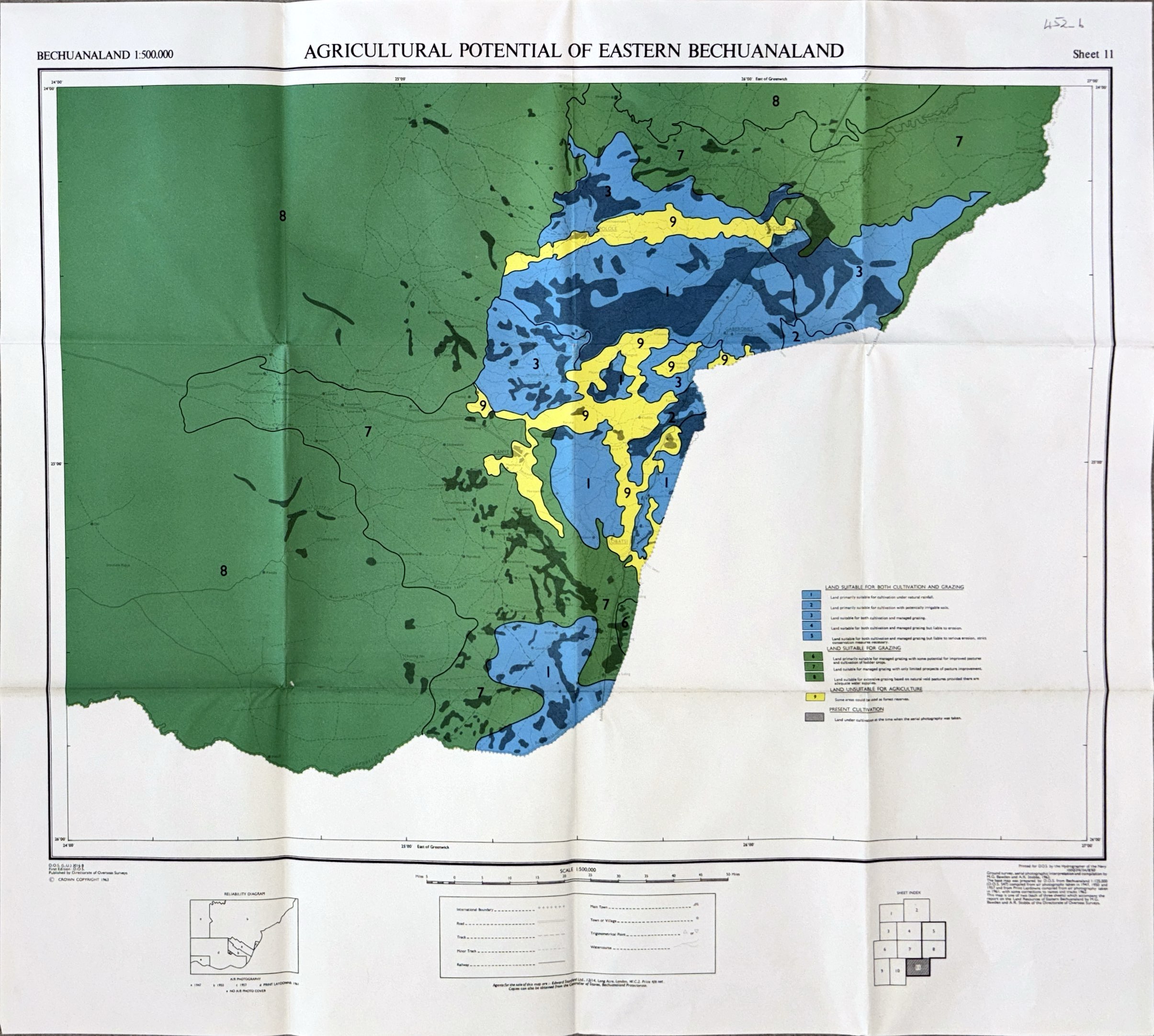
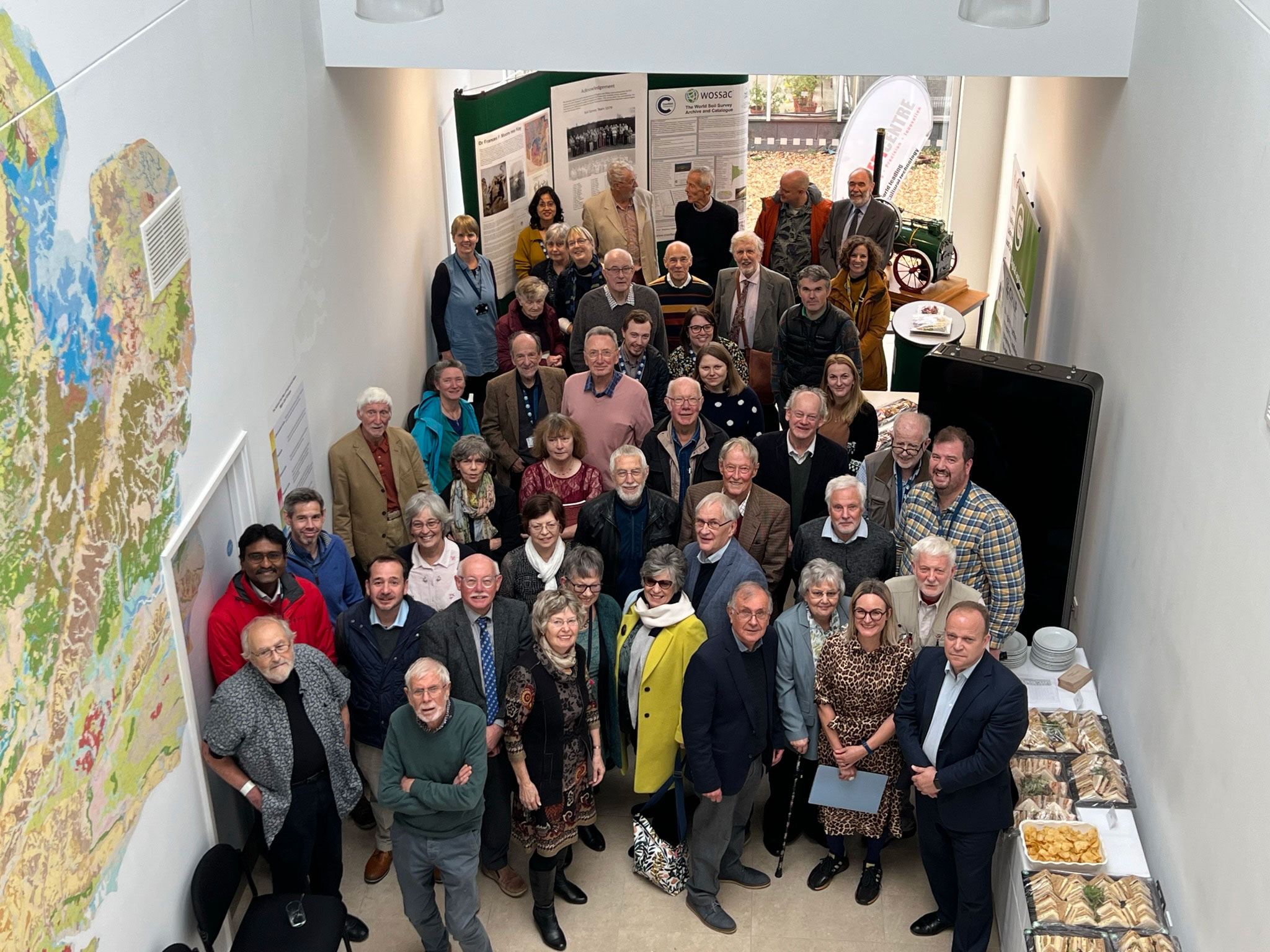
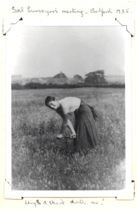
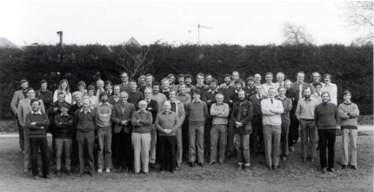
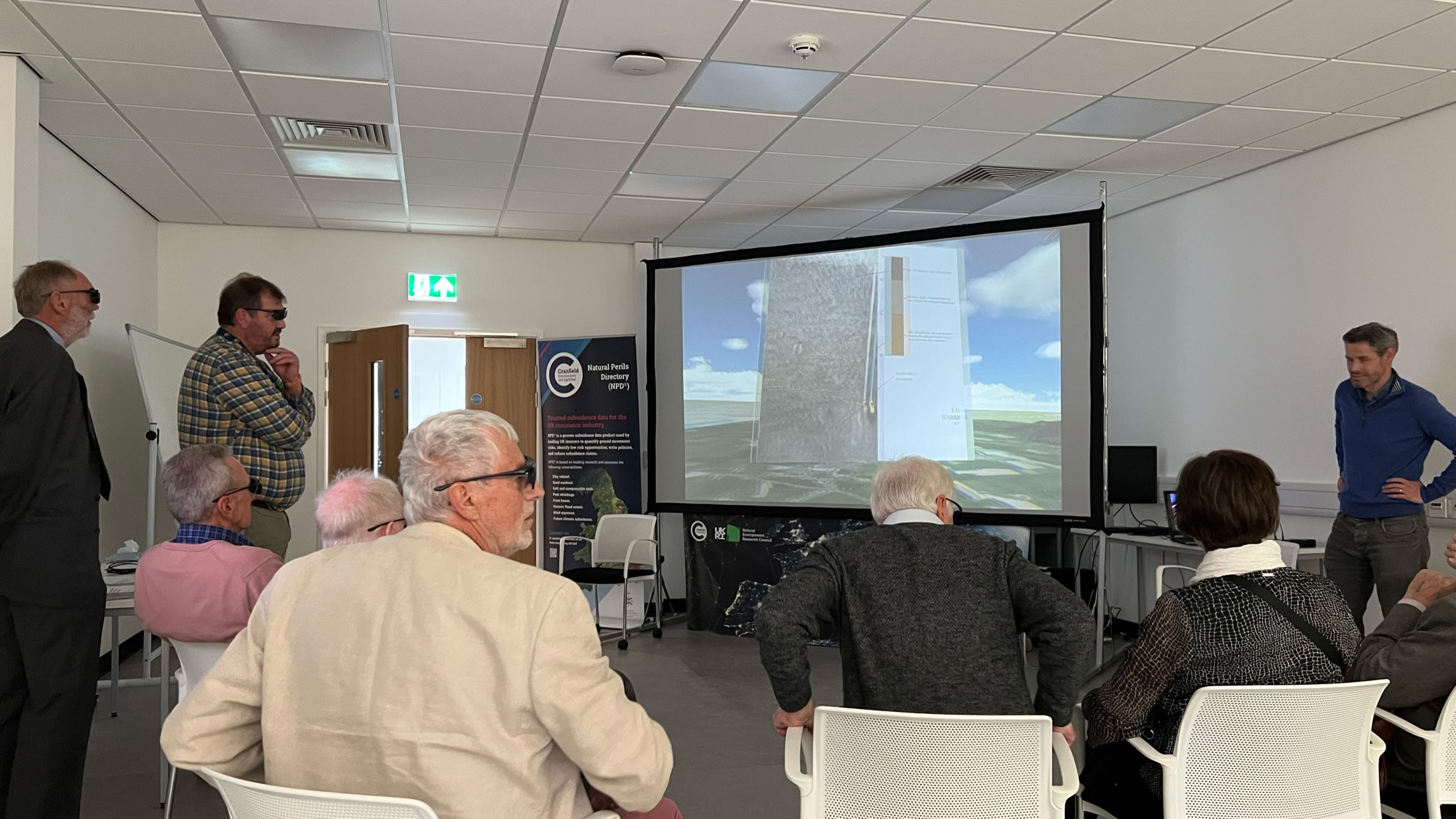
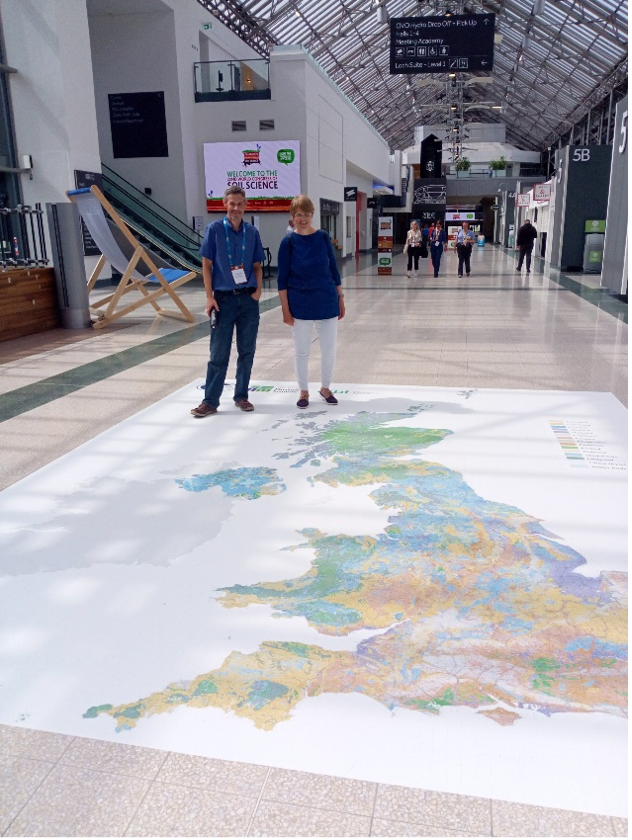
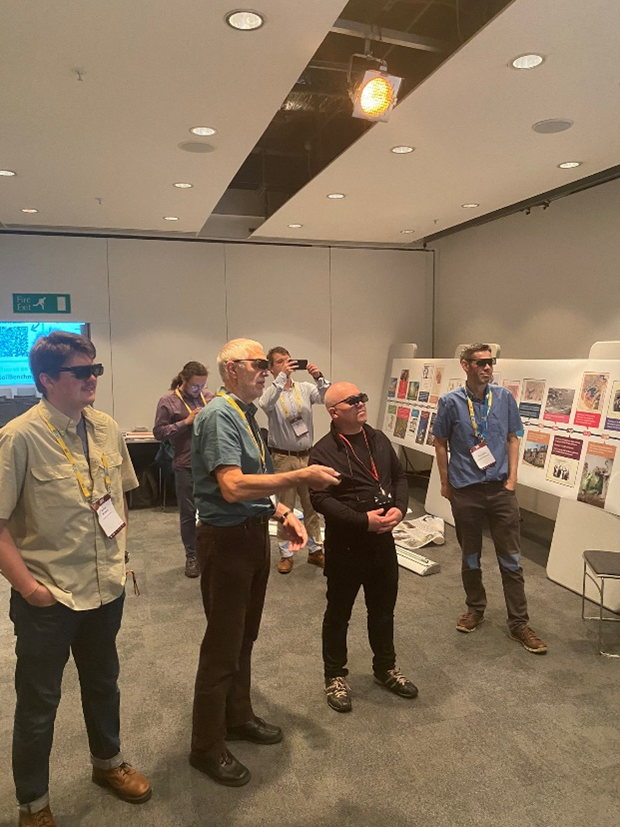
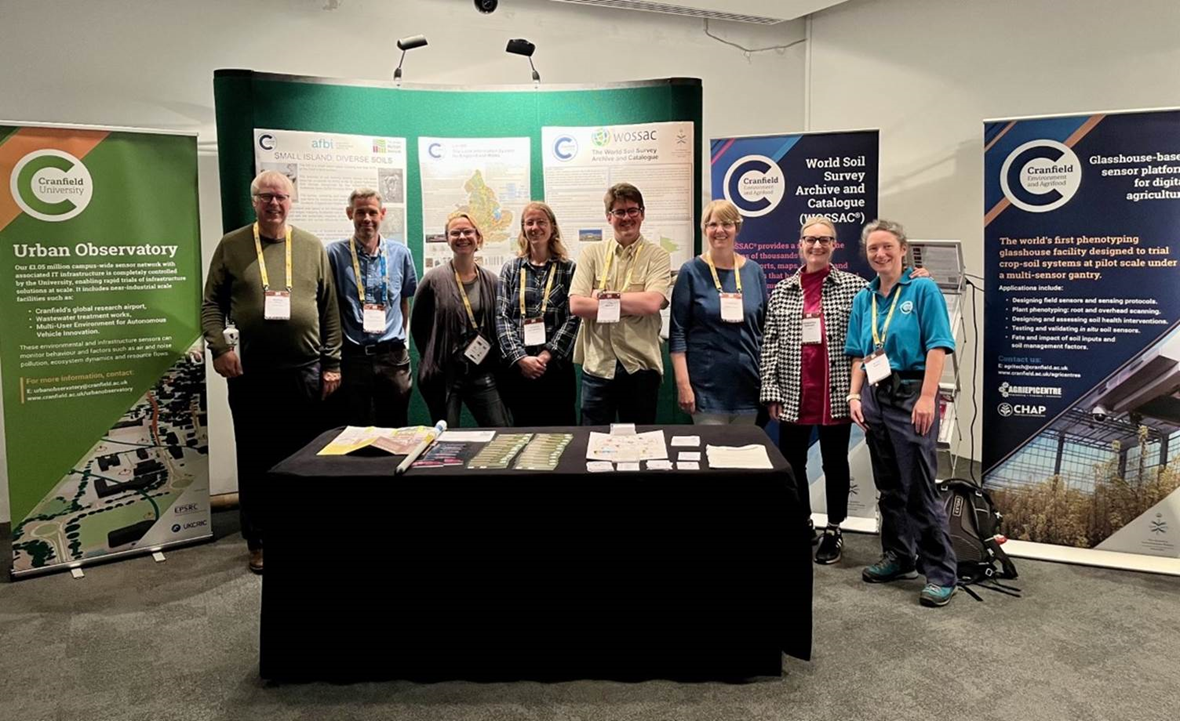
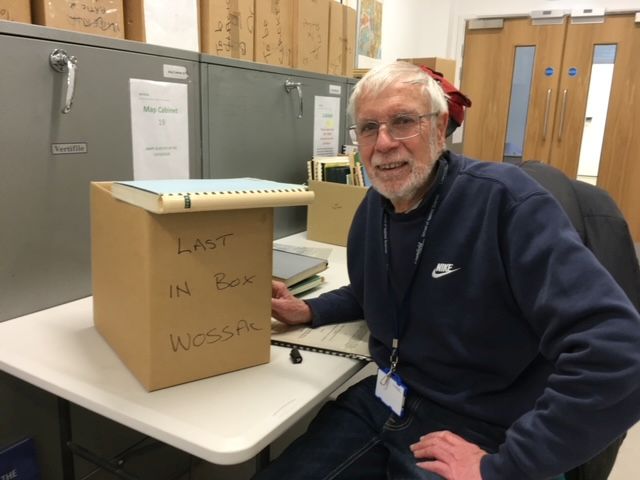
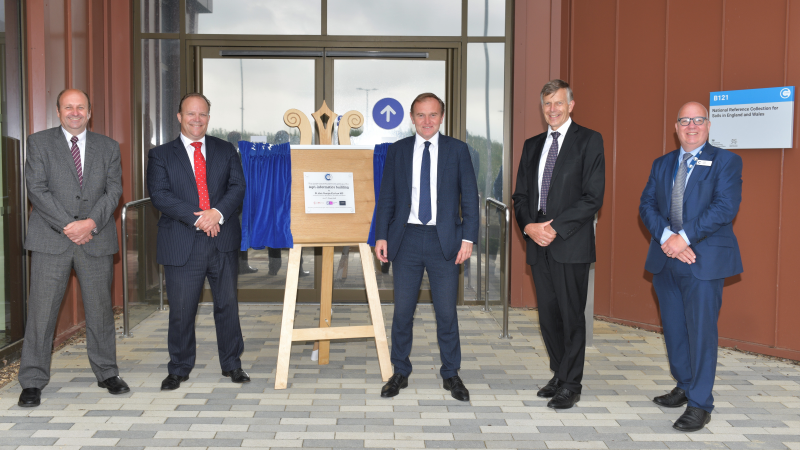
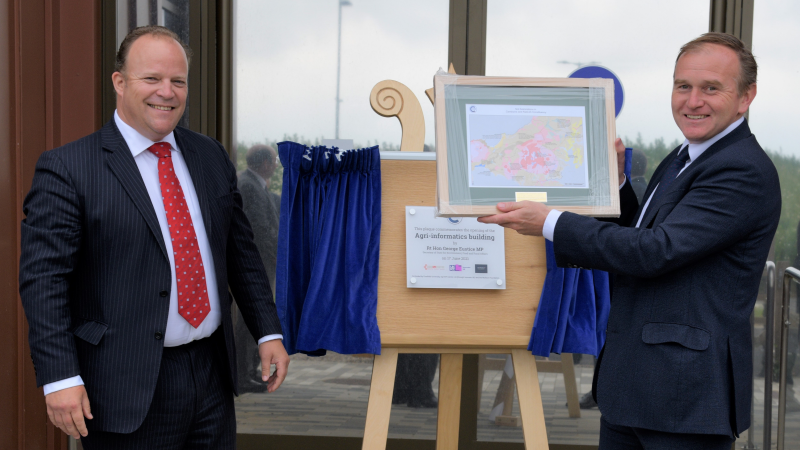
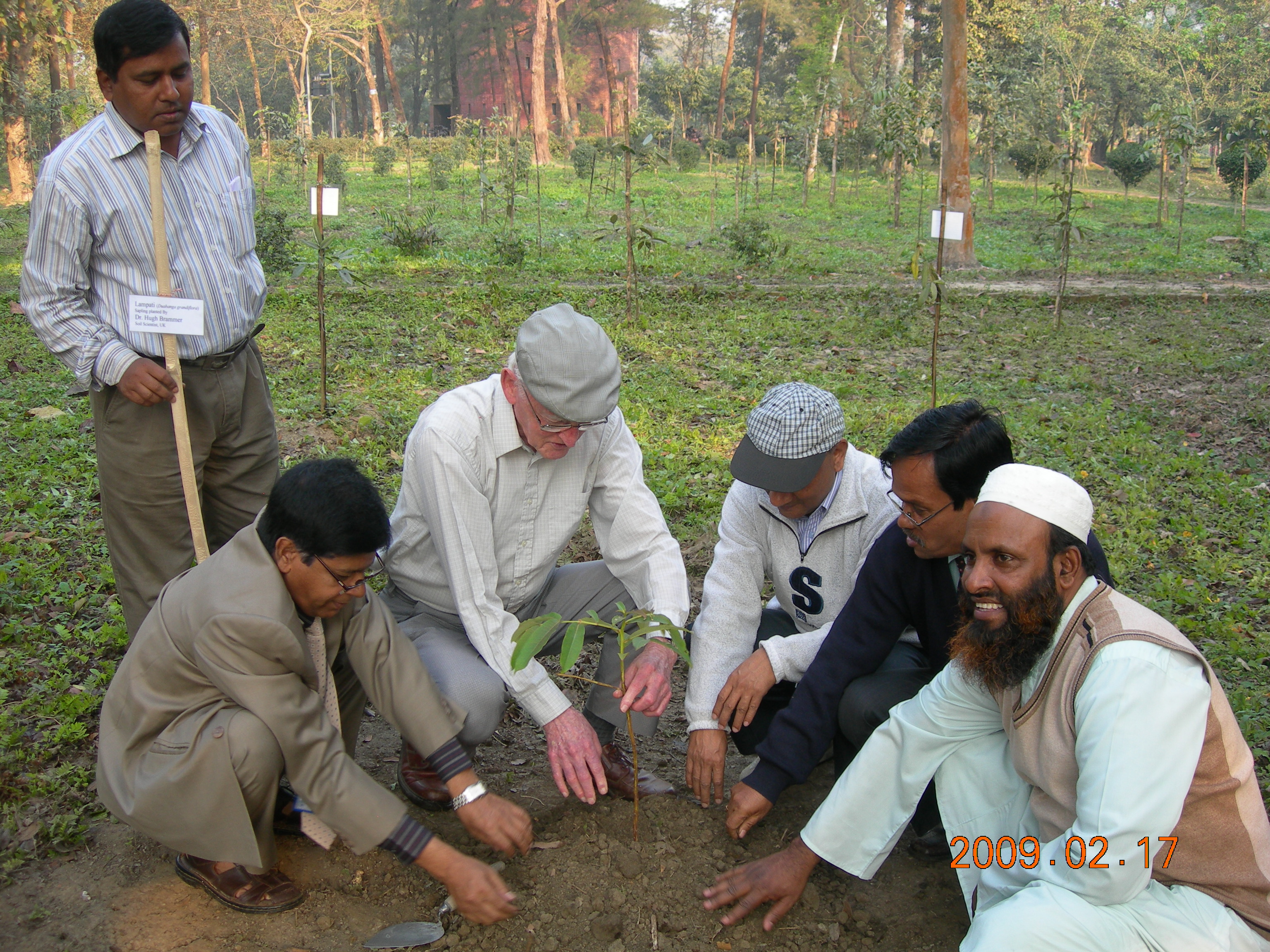
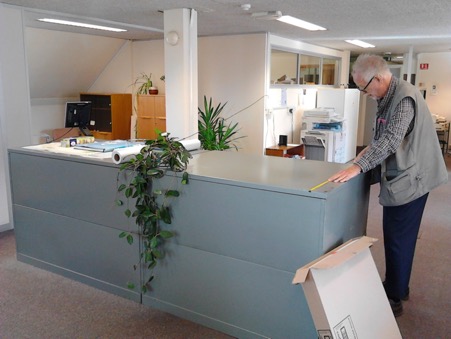
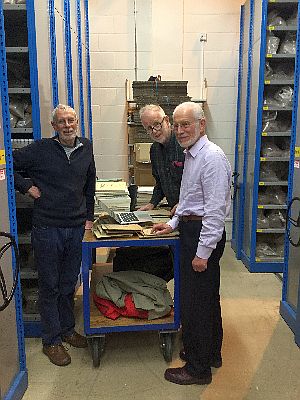
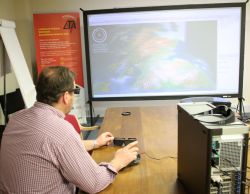
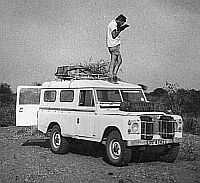
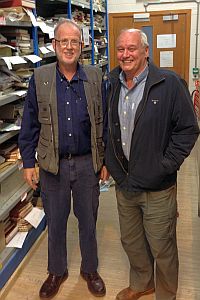
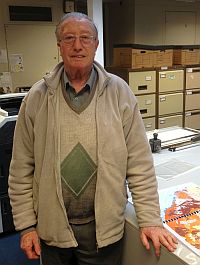
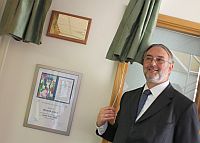
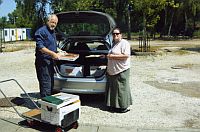
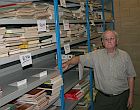
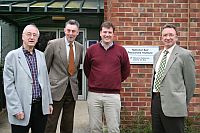
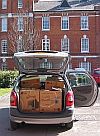
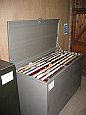
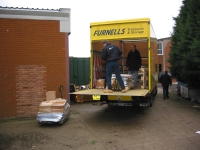
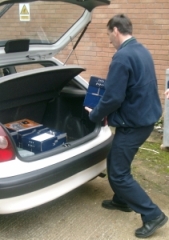
WOSSAC was fortunate to receive much assistance and advice from Professor Tony Young over the years. The archive received a number of visits from Tony and he also kindly provided many items that form now part of the archive holdings. Below are some of the photos of his visits taken from blog items from July 2004, May 2008, Nov 2010, and June 2016 further down this page.